Effective Snow Removal Timing Strategies
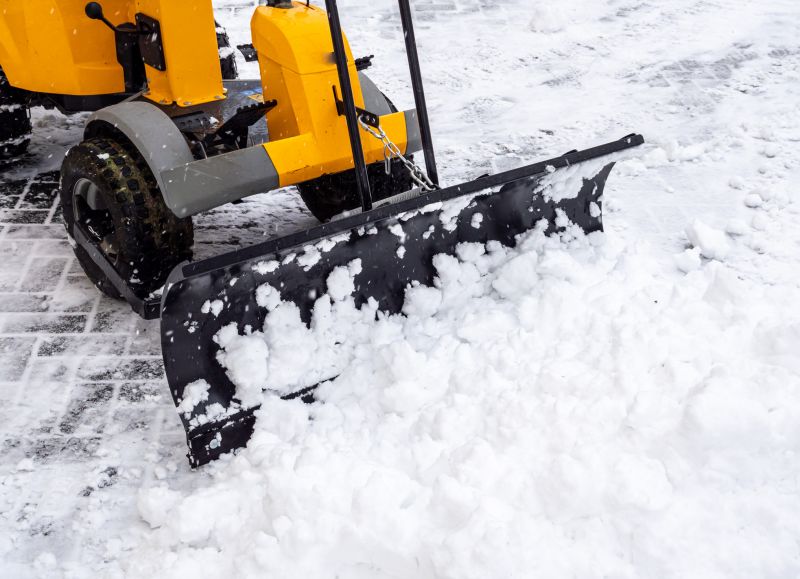
Monitoring weather forecasts helps determine optimal times for snow removal before accumulation becomes heavy.
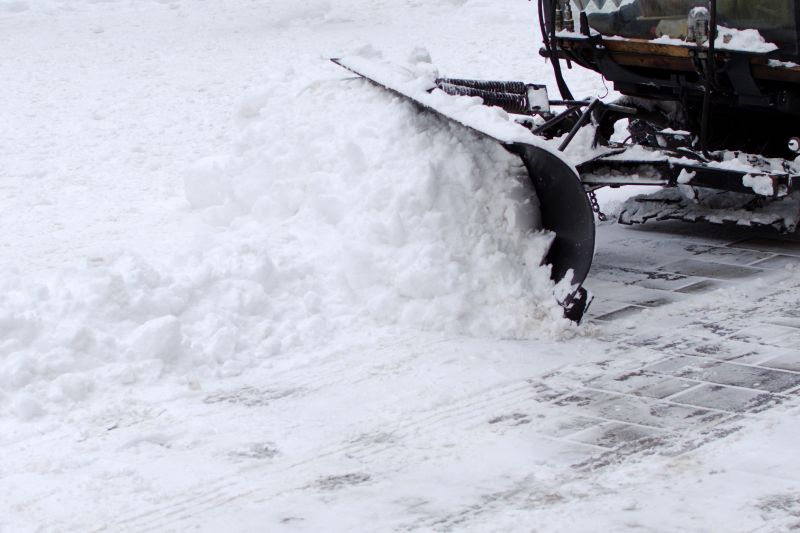
Preparing for snowstorms allows for timely removal, reducing safety hazards and property damage.
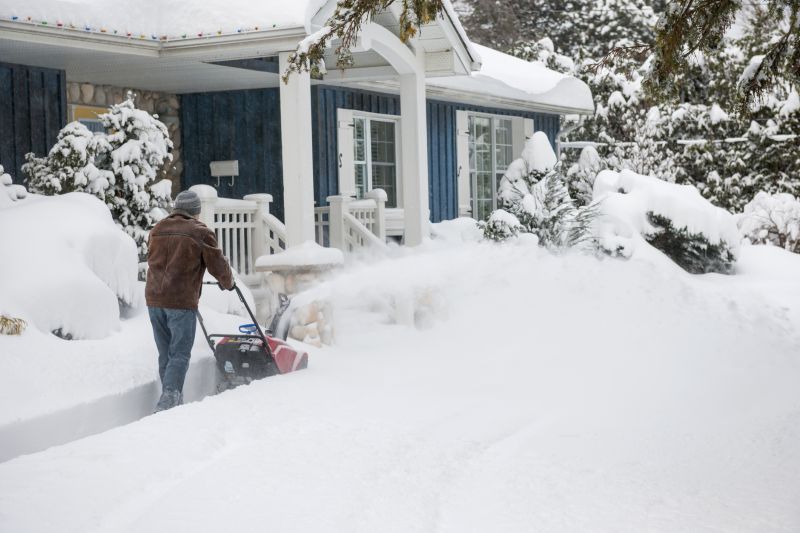
Removing snow promptly after storms minimizes accumulation and prevents ice formation.
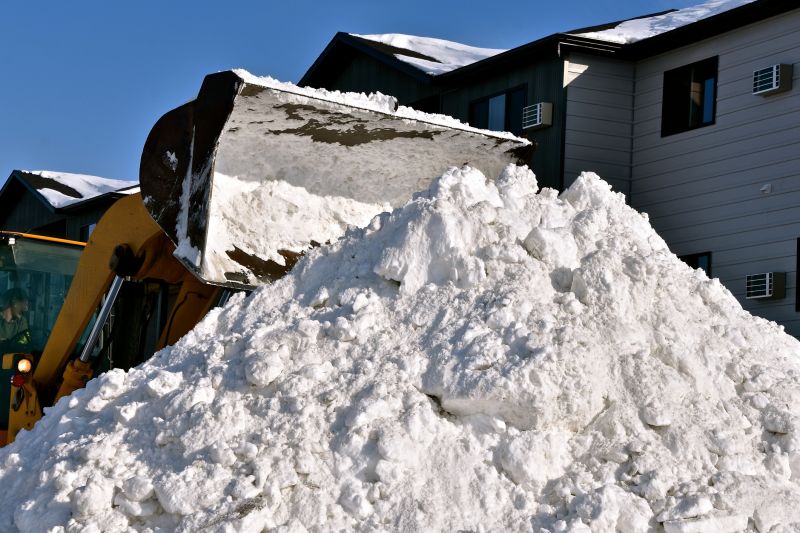
Ways to make Snow Removals work in tight or awkward layouts.
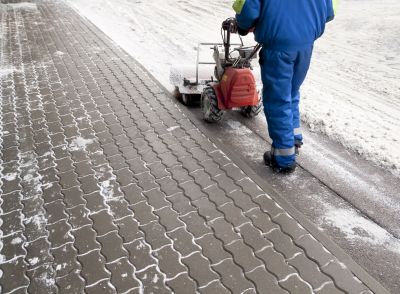
Popular materials for Snow Removals and why they hold up over time.
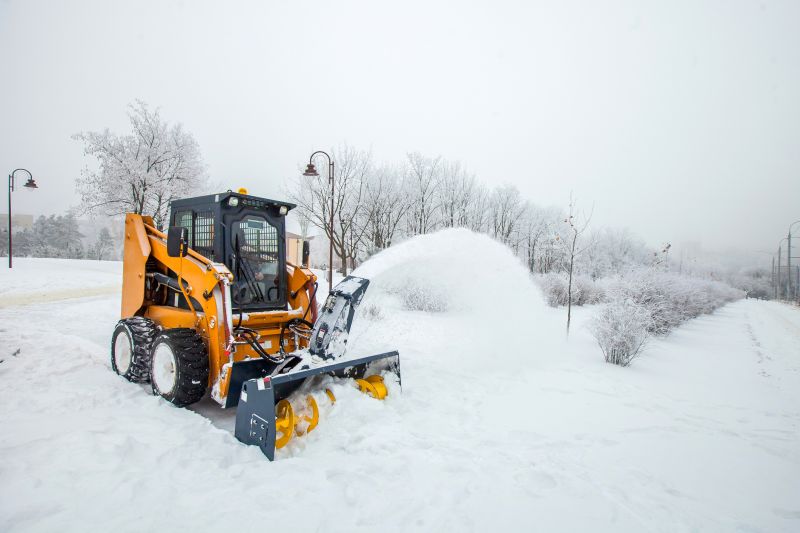
Simple add-ons that improve Snow Removals without blowing the budget.
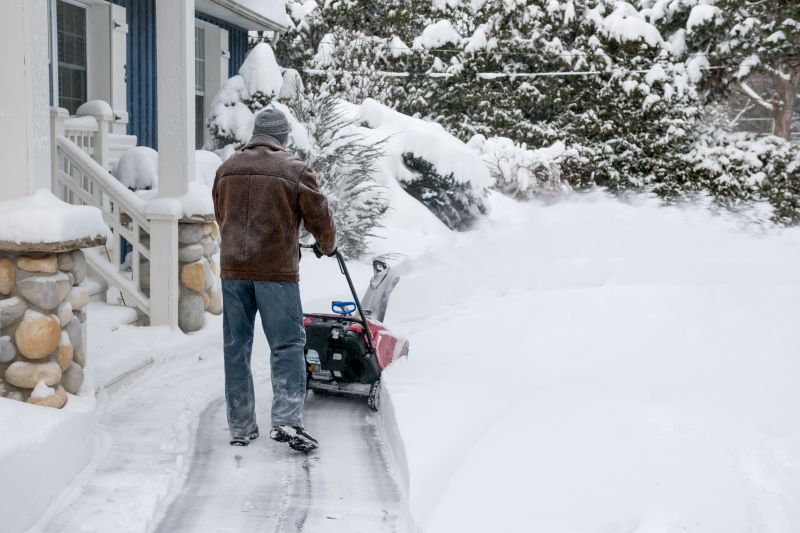
High-end options that actually feel worth it for Snow Removals.
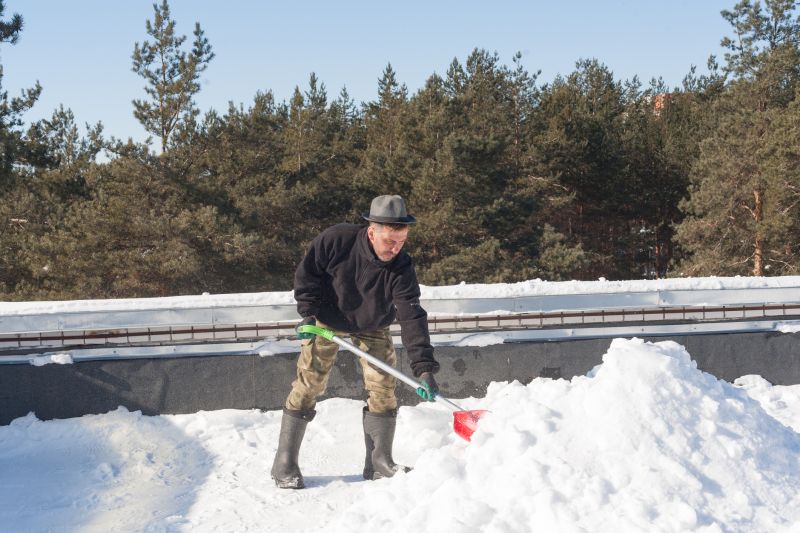
Finishes and colors that play nicely with Snow Removals.
Snow removals are most effective when performed at strategic times to ensure safety and accessibility. Early intervention before heavy snowfall can prevent accumulation, while timely post-storm removal reduces the risk of ice formation and structural stress. Regular monitoring of weather conditions and forecasts is essential for scheduling effective snow removal operations.
Statistics indicate that early snow removal can decrease the risk of accidents by up to 50%. Additionally, removing snow promptly can extend the lifespan of pavements and reduce long-term maintenance costs. Proper timing ensures that snow and ice do not cause significant disruptions or damage, making it a critical aspect of winter maintenance planning.
Timely snow removal enhances safety for pedestrians and vehicles, reducing slip-and-fall incidents and accidents.
Understanding local weather patterns helps determine the best times for snow removal activities.
Scheduling snow removal when equipment is available ensures efficient and effective operations.
Proper timing of snow removal maintains accessibility and safety for all community members.
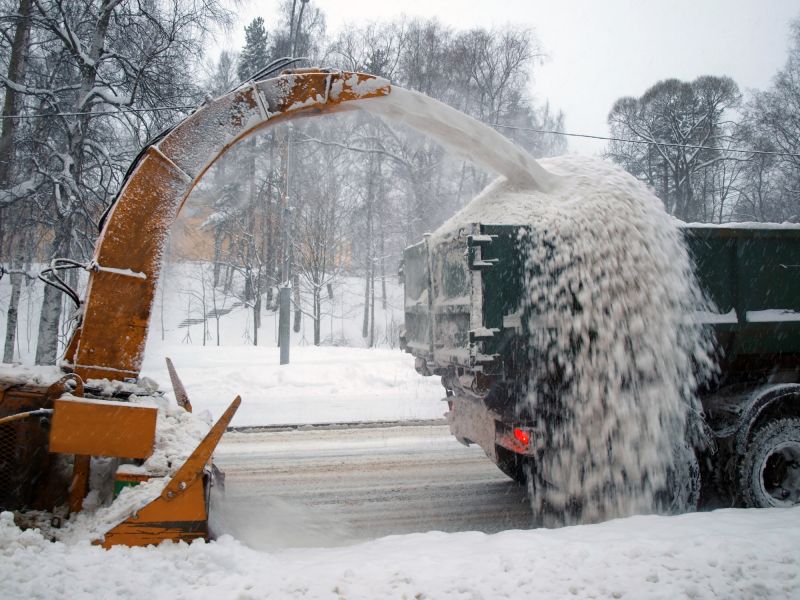
Various tools and machinery are used to clear snow efficiently.
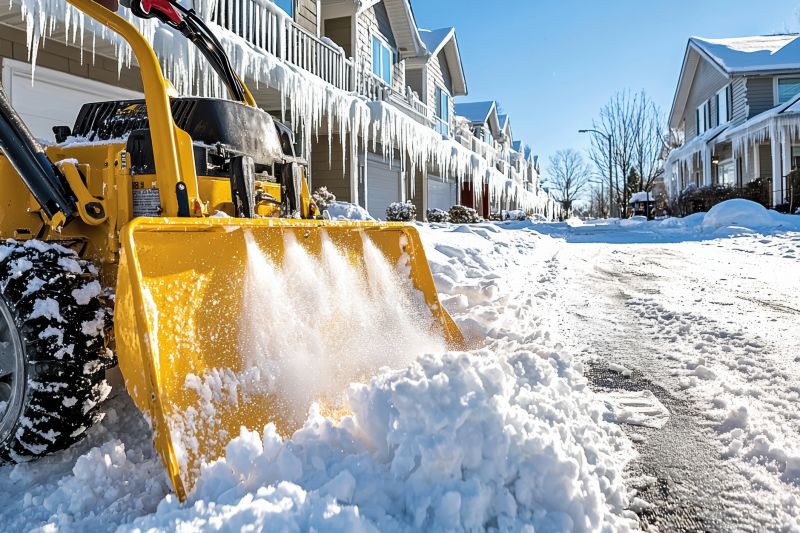
Professional plowing ensures thorough removal from roads and parking areas.
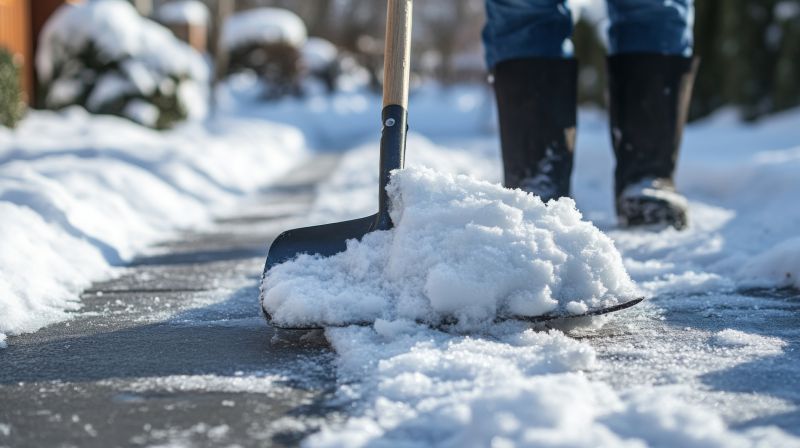
Manual shoveling is often used for walkways and smaller areas.
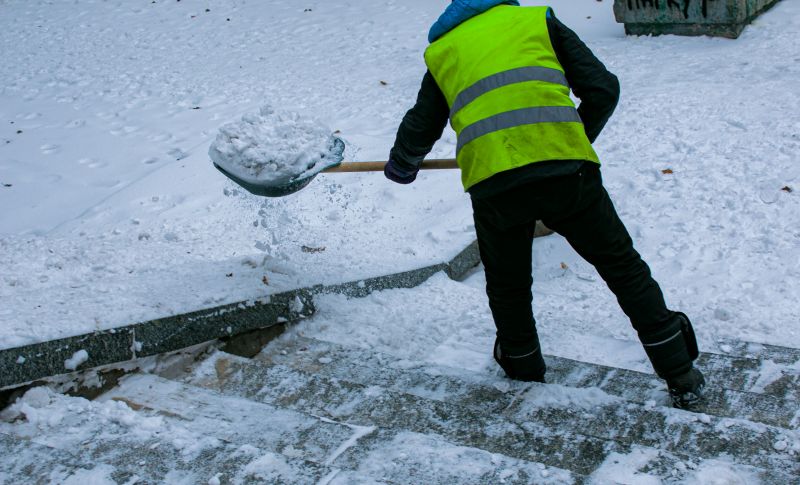
Chemical and physical methods are employed to prevent ice formation.
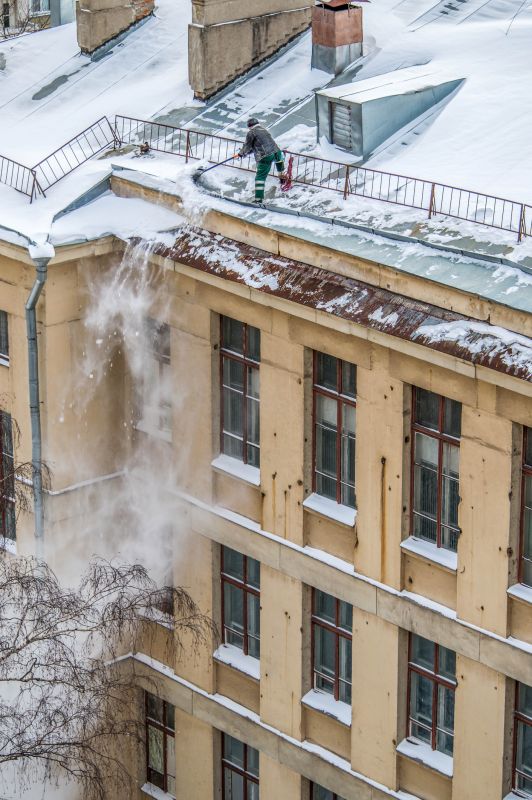
Proper storage of removed snow prevents obstruction and hazards.
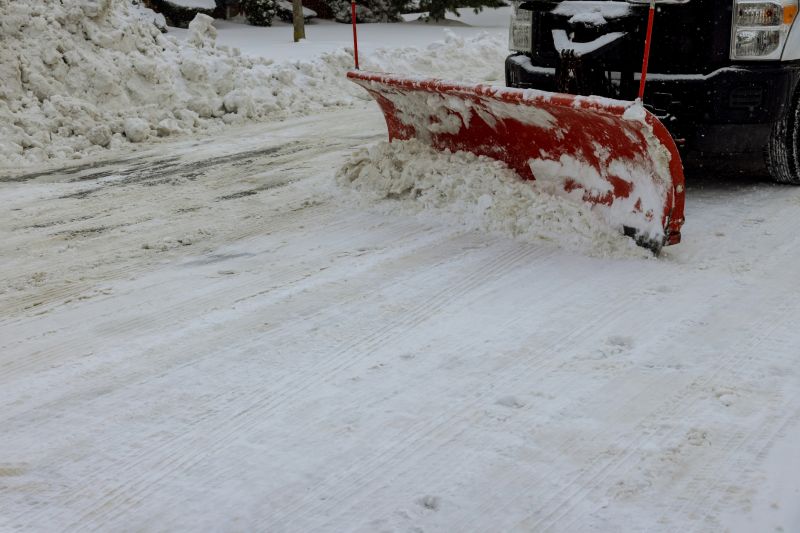
Strategic planning helps optimize snow removal schedules.
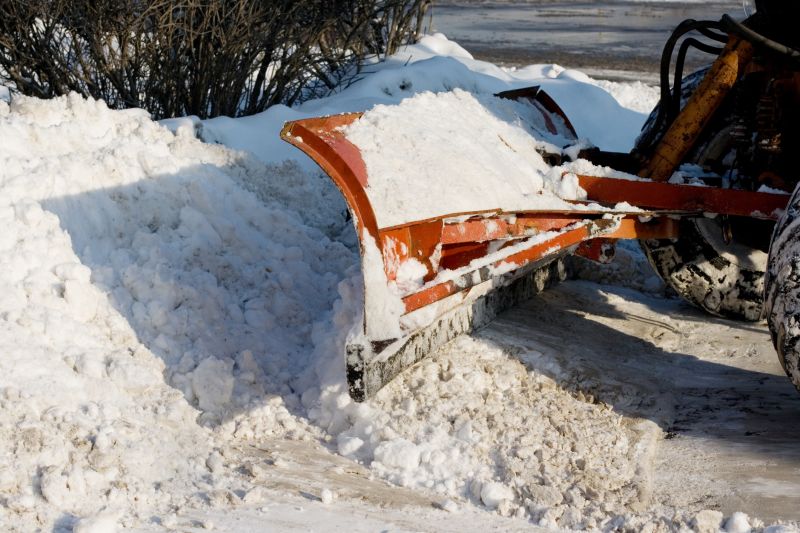
Specialized vehicles facilitate large-scale snow clearing.
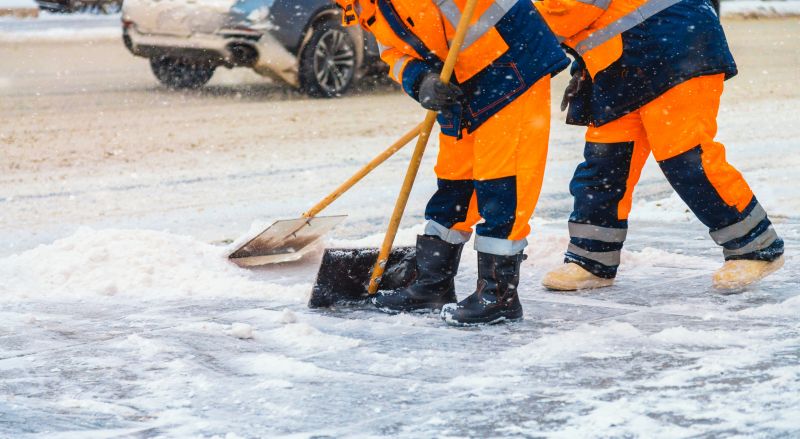
Protective gear ensures safety during snow removal operations.
| Timing Aspect | Details |
|---|---|
| Before Snowfall | Pre-storm removal prevents heavy accumulation and reduces hazards. |
| During Snowfall | Real-time removal maintains accessibility during ongoing storms. |
| After Snowfall | Post-storm cleanup minimizes ice formation and structural stress. |
| Weather Forecasts | Accurate forecasts help schedule timely operations. |
| Temperature Trends | Lower temperatures can extend the duration of snow and ice. |
| Community Needs | High-traffic areas require more frequent removal. |
| Equipment Availability | Scheduling depends on machinery readiness. |
| Safety Considerations | Timely removal reduces slip-and-fall risks. |
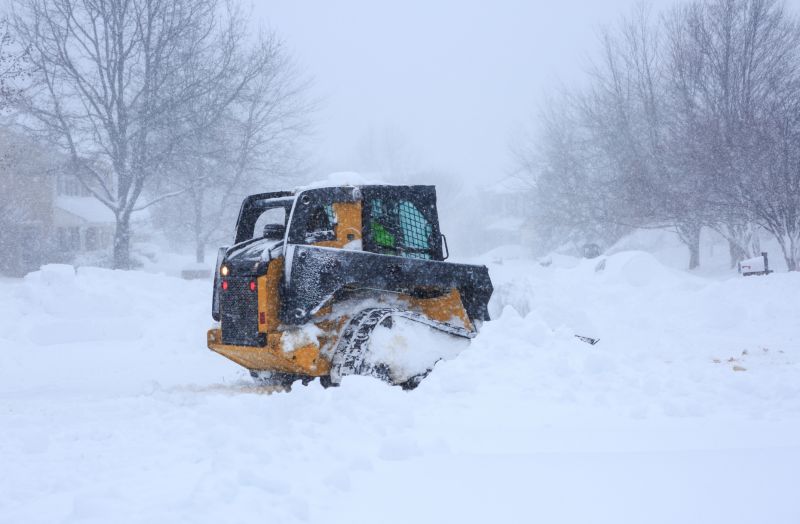
Efficient clearing of driveways and walkways.
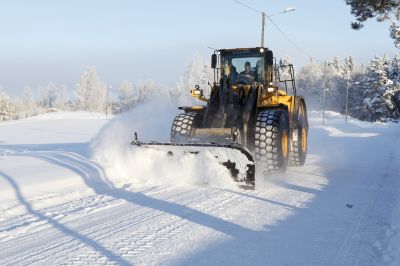
Heavy machinery ready for snow removal tasks.
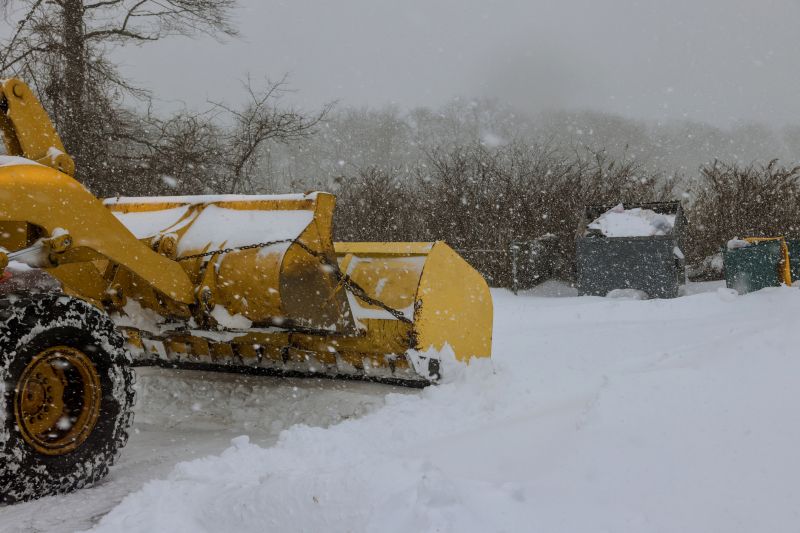
Accessible walkways maintained through timely removal.
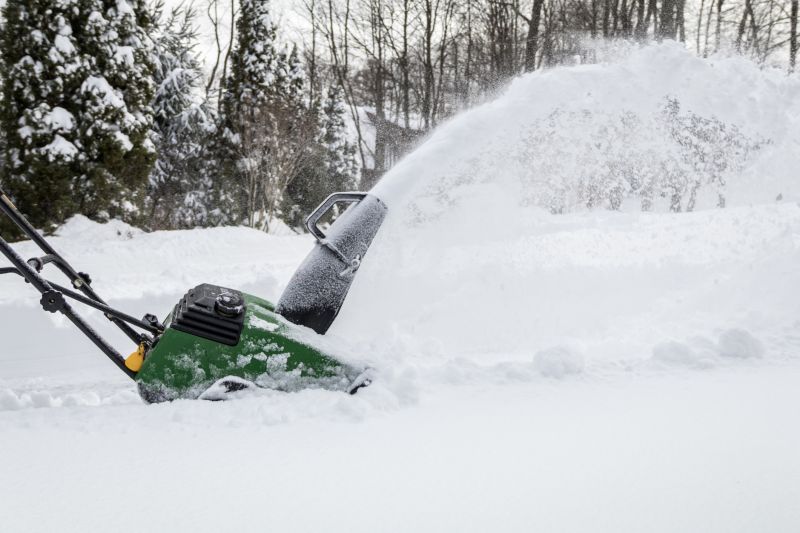
Strategic scheduling for optimal results.

Little measurements that prevent headaches on Snow Removals day.
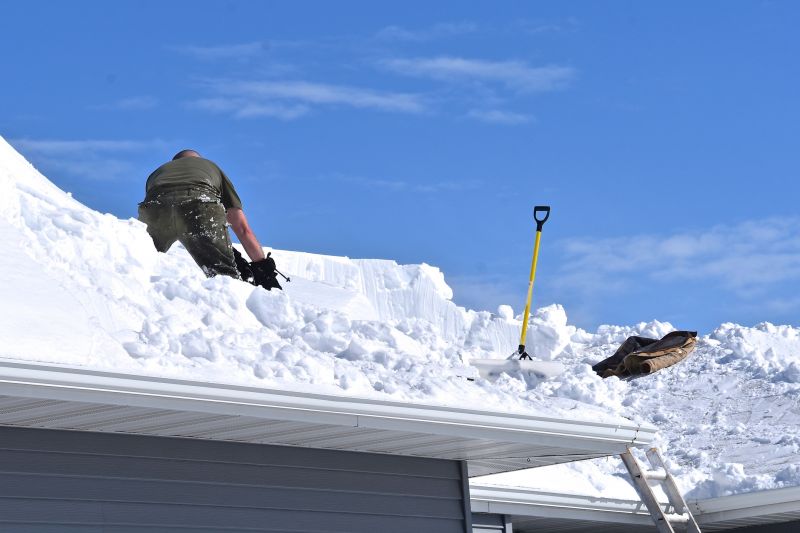
A 60-second routine that keeps Snow Removals looking new.
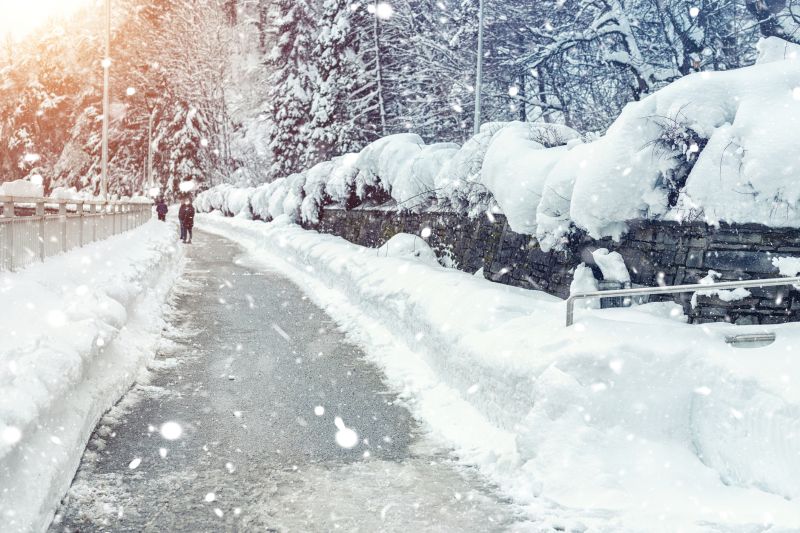
A frequent mistake in Snow Removals and how to dodge it.
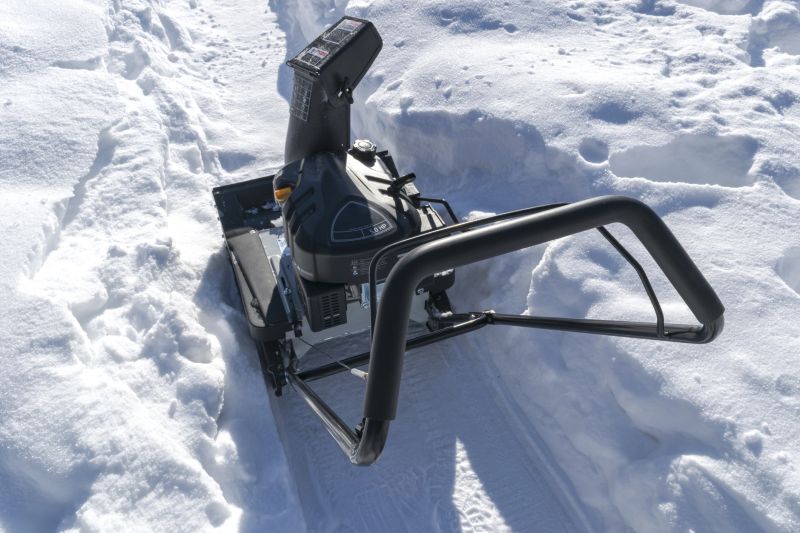
Small tweaks to make Snow Removals safer and easier to use.
Timely snow removal is crucial for maintaining safety and accessibility during winter months. Proper planning, monitoring weather conditions, and utilizing appropriate equipment can significantly reduce risks associated with snow and ice accumulation. For property managers and homeowners alike, understanding the optimal timing can lead to more efficient and cost-effective snow management.
Interested in scheduling snow removals? Filling out the contact form ensures timely assistance and helps maintain safety during winter weather conditions.