Rooftop Snow Removal in Long Island, NY
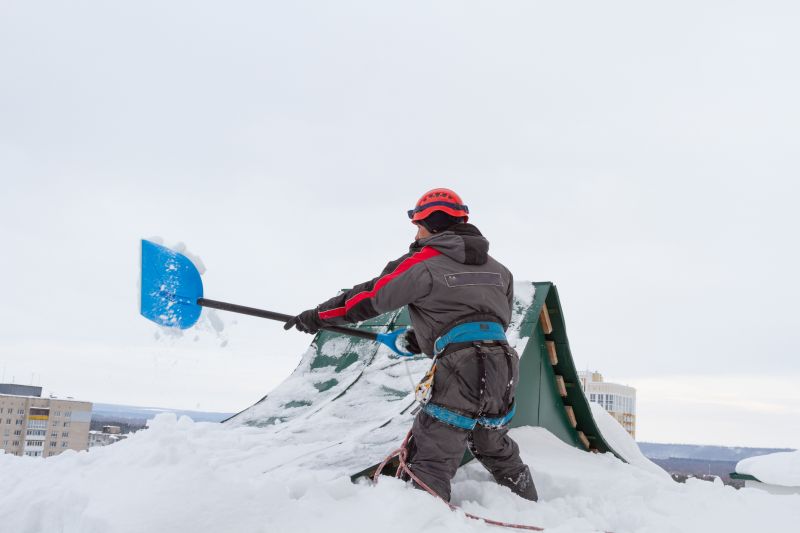
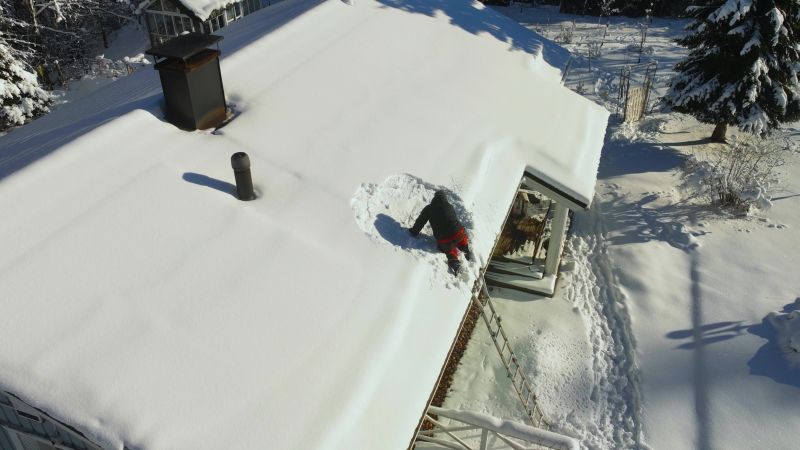
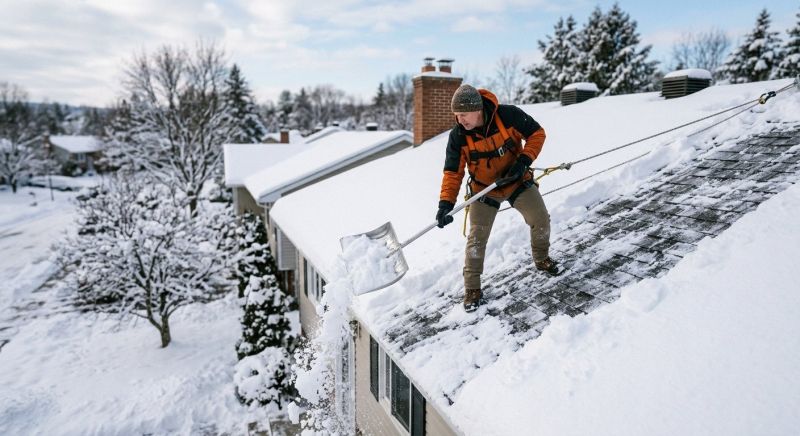
Rooftop snow removal services involve the clearing of accumulated snow and ice from residential rooftops to prevent potential damage and ensure safety during winter months. These projects typically include removing snow from sloped and flat roofs, particularly in areas prone to heavy snowfall. Homeowners often request this service to protect gutters, vents, and skylights from the weight of snow, as well as to minimize the risk of ice dams forming that can lead to leaks or structural issues.
Before requesting rooftop snow removal, property owners usually want to understand the scope of the work, including which parts of the roof will be cleared and the safety measures taken during the process. It’s also helpful to consider the roof’s design and materials, as well as any nearby structures or landscaping that might be affected. Clear communication about the extent of snow buildup and any specific concerns can help ensure the service meets expectations and maintains the property's safety and integrity.
Many property owners in Long Island, NY look into Rooftop Snow Removal for repairs, replacements, upgrades, and appearance-related improvements.
Safety And Accessibility
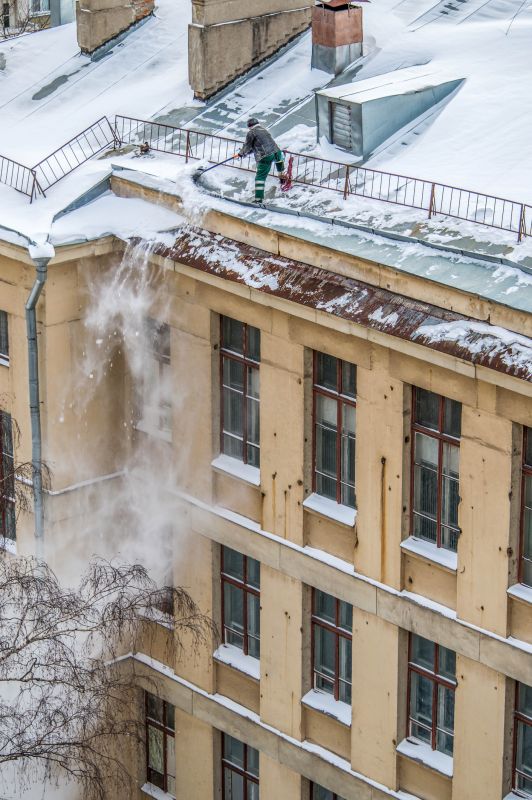
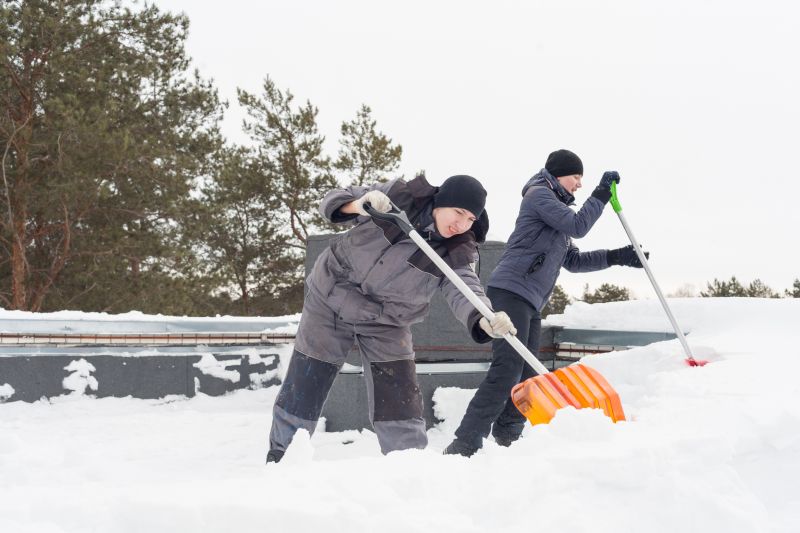
Removing snow from rooftops helps prevent ice dams and ensures safe access to your property.
Property Preservation
Effective snow removal protects roofing materials and reduces the risk of structural damage during winter.
Winter Preparedness
Maintaining a clear roof helps manage snow loads and minimizes the potential for leaks and water damage in long island homes.
Rooftop Snow Removal in Long Island, NY
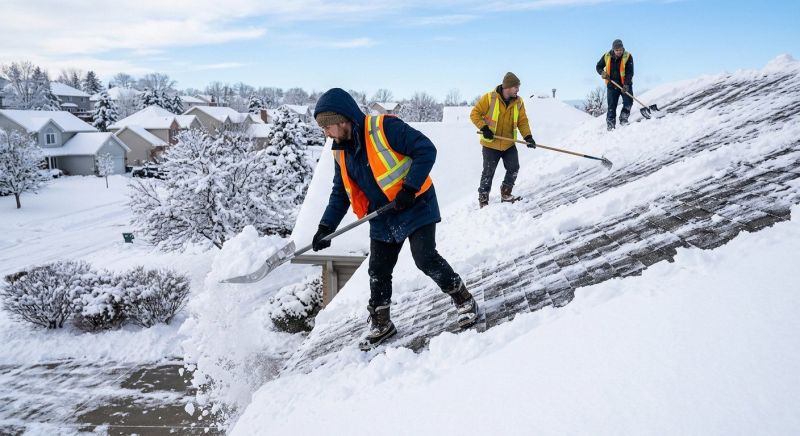
Rooftop snow removal services involve the clearing of accumulated snow and ice from residential rooftops to prevent potential damage and ensure safety during winter months. These projects typically include removing snow from sloped and flat roofs, particularly in areas prone to heavy snowfall. Homeowners often request this service to protect gutters, vents, and skylights from the weight of snow, as well as to minimize the risk of ice dams forming that can lead to leaks or structural issues.
Before requesting rooftop snow removal, property owners usually want to understand the scope of the work, including which parts of the roof will be cleared and the safety measures taken during the process. It’s also helpful to consider the roof’s design and materials, as well as any nearby structures or landscaping that might be affected. Clear communication about the extent of snow buildup and any specific concerns can help ensure the service meets expectations and maintains the property's safety and integrity.
Many property owners in Long Island, NY look into Rooftop Snow Removal for repairs, replacements, upgrades, and appearance-related improvements.
Common Rooftop Snow Removal Jobs
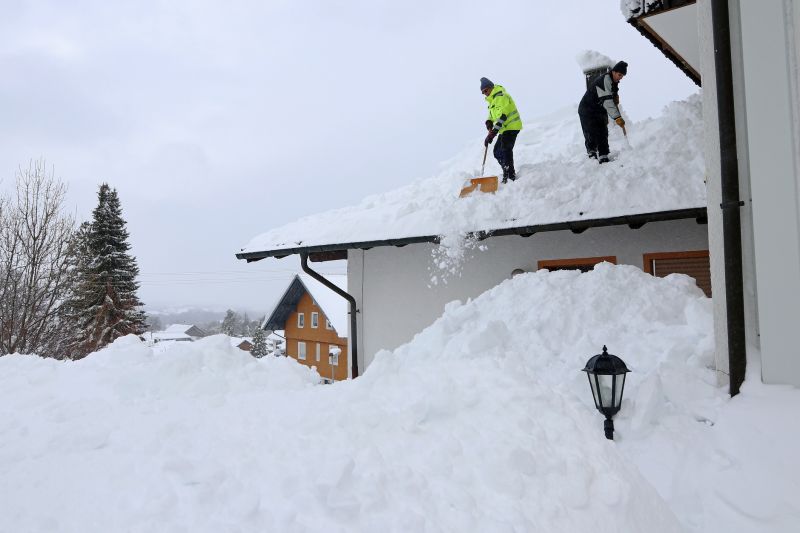
Roof clearing services - removing snow buildup to prevent roof damage.
Ice dam removal - addressing ice formations that can cause leaks and structural issues.
Gutter and roof edge clearing - preventing ice and snow from blocking drainage systems.
Snow raking - safely removing snow from roof edges to reduce weight and risk.
Storm-related snow removal - clearing heavy snow accumulations after winter storms.
Preventative snow management - maintaining roof integrity through regular snow removal.
Rooftop Snow Removal Questions
Why is snow removal important for rooftops? Removing snow helps prevent ice dams, roof damage, and leaks that can occur from heavy snow accumulation.
What types of roofs can benefit from snow removal services? Most residential and commercial roofs, including flat and sloped styles, can be safely cleared of snow and ice.
When should snow removal be scheduled? It’s best to address snow accumulation promptly after a snowfall to minimize risks and prevent ice buildup.
Are there safety concerns with removing snow from rooftops? Yes, proper techniques and equipment are essential to ensure safety and avoid damage to the roof during removal.
Request Rooftop Snow Removal in Long Island, NY
Use the quote form on this page to share the basics of your project and request more information for the type of work you need.